By Mike Kocsis | 7 minutes read | Last updated: September 19, 2026 Categories: Hormone imbalance
Medically Reviewed by Dr. George Touliatos
Lately, you have noticed that you don’t feel like yourself anymore. You feel irritable, tired, struggle to concentrate or simply operate on autopilot.
There can be many reasons for these signs, including major life transitions, stress, poor sleep, mental health changes and even hormonal imbalances.
Hormonal changes are often overlooked in men, yet they can have a noticeable impact on how you feel, think, and function day to day. For men, testosterone, thyroid, cortisol, and insulin are among the key hormones worth considering when unexplained changes persist.
When hormone levels fluctuate, the changes may be subtle at first and easy to mistake for stress, ageing or simply being run down.
Symptoms of hormonal imbalance in men
Here are the common signs that indicate your hormones could be changing and making you feel off.
Persistent fatigue
You feel exhausted and tired most of the day, even after what seemed like a good night’s sleep. Coffee may get you through the morning, but the tiredness keeps coming back.
Low thyroid hormone levels and testosterone hormone imbalance may cause this issue.
Lack of motivation
You don’t feel like doing much, even when you know there are things you need to get done. Finding the energy to take basic actions feels harder than it used to. You may judge yourself for being lazy which only adds more to the stress.
Major life changes and rising stress levels can make this experience more deeply unsettling.
Brain fog
Your brain constantly feels foggy and unclear. You start a conversation but forget what you were talking about in the middle of the sentence. Your focus and concentration levels have declined significantly, so simple tasks take much longer now.
Mood changes or increased irritability
You may notice more frequent mood swings, feel unusually irritable, or find yourself dealing with periods of high anxiety levels or depression.
Hot flashes
You may experience sudden feelings of heat or sweating, sometimes waking up with night sweats. In adult men, hot flashes can occur with testosterone deficiency (hypogonadism) according to the EAU, although they can also have other causes.
Hormonal changes can trigger similar symptoms in many women during major hormonal transitions, including changes during the menstrual cycle, pregnancy and the menopause transition.
Low sex drive
Another common sign of male sex hormone testosterone deficiency is low libido. You may notice that sex simply crosses your mind less often.
Erectile dysfunction (ED)
You may have started experiencing erection problems that were not an issue for you before. ED can have many causes but it can occur alongside testosterone deficiency, particularly when your sex drive has also decreased.
Unexplained weight changes
Your diet and your physical activity level are the same yet you are noticing weight gain or weight loss.
Skin and hair changes
You may notice a hormonal acne breakout, skin dryness or hyperpigmentation that keeps getting worse. Your hair growth cycle may also disrupt, causing hair loss.
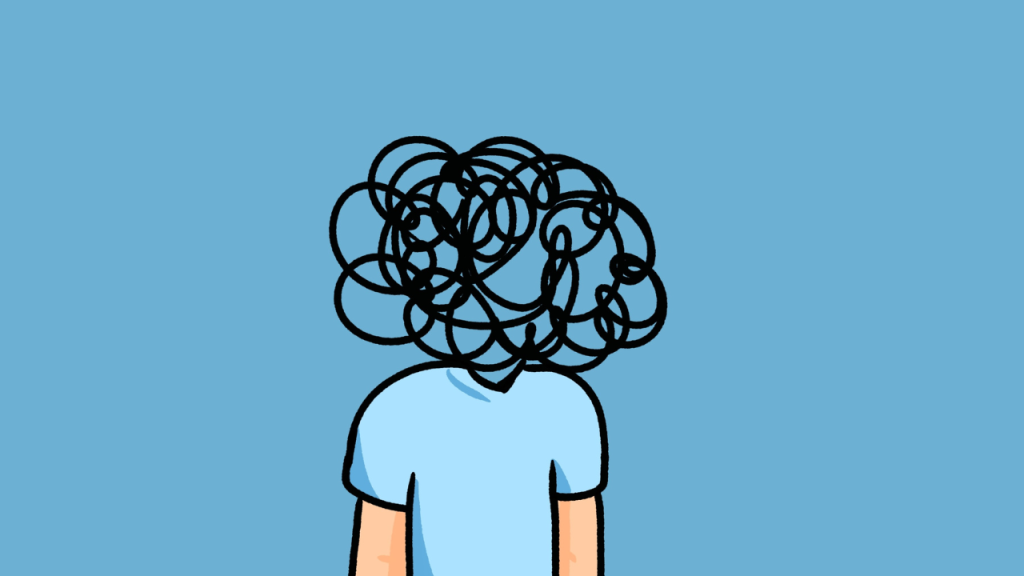
Hormone-related symptoms are often continuous and may occur in a pattern, rather than appearing as one isolated change.
They are confirmed through a proper medical evaluation. Your doctor will review your signs and medical history. If they suspect a hormonal issue, they will run hormone blood tests, like a testosterone blood test, to confirm your hormone levels.
How can changing testosterone levels affect how you feel?
Testosterone is popularly known as a reproductive hormone but its role extends far beyond sexual health.
It can interact with brain pathways involved in emotional regulation. Besides that, it can also affect mood, sleep, cognitive function, motivation and physical performance – all of these can shape how you feel mentally and physically.
When should I make an appointment?
You should consider speaking to a healthcare provider if:
- Your symptoms persist and keep getting worse with the passage of time.
- Your go to coping techniques are also not working so well lately.
- You are finding it difficult to manage your symptoms on your own.
What tests should I get done?
Your doctor will decide which tests to perform after a thorough evaluation. Common tests that may be performed if a hormonal issue is suspected in men include:
- Total testosterone
- SHBG and free testosterone, when appropriate
- LH and FSH to help identify the cause of low testosterone
- TSH and free T4 to assess thyroid function
Other tests may be recommended based on your individual case.
Depending on your symptoms, your doctor may also investigate how the endocrine system is functioning, including whether the pituitary gland or adrenal gland could be involved.
What happens after testing?
Your doctor will start a medical treatment plan only if needed, based on your test results and overall health.
For confirmed low levels of testosterone, testosterone replacement therapy (TRT) may be prescribed to suitable candidates. It involves administering testosterone to replace the hormone your body is not producing in sufficient amounts.
TRT comes in different forms such as testosterone injections, skin patches, gels and pills. Each form of this hormone replacement therapy has its own pros and cons.
Could testosterone replacement therapy help you feel like yourself again?
TRT can help manage persistent symptoms of low testosterone, including the feeling of “not feeling like yourself”, but its effects can vary between individuals.
A 2024 TestES evidence review included 35 trials involving 5,601 randomised participants, with individual participant data available from 17 trials involving 3,431 participants.
It found that testosterone replacement therapy improved sexual function and quality of life in almost all patient subgroups studied.
Whether TRT can help you feel more like yourself depends on whether low testosterone is actually contributing to your symptoms and how you respond to treatment.
Although TRT is an effective treatment but it’s not suitable for all. Discuss your options with your healthcare professional before choosing one.
Conclusion
Many factors can affect the human body and its normal bodily processes, from changes in stress levels and sleep patterns to shifts in certain hormones.
Hormonal fluctuations produce mental and physical signs, such as persistent fatigue, low sex drive, skin problems, poor concentration and more.
If these symptoms persist and worsen over time, speak to a doctor to find out what may be causing them.
Hormonal conditions are diagnosed through a proper medical assessment and blood tests when required.
If testosterone deficiency is confirmed, appropriate treatment may help improve the symptoms affecting how you feel.
References
Cruickshank, M., Hudson, J., Hernández, R., Aceves-Martins, M., Quinton, R., Gillies, K., Aucott, L.S., Kennedy, C., Manson, P., Oliver, N. and Wu, F., 2024. The effects and safety of testosterone replacement therapy for men with hypogonadism: the TestES evidence synthesis and economic evaluation. Health Technology Assessment (Winchester, England), 28(43), p.1.
Liu, P.Y. and Reddy, R.T., 2022. Sleep, testosterone and cortisol balance, and ageing men. Reviews in Endocrine and Metabolic Disorders, 23(6), pp.1323-1339.
Evidence Based Research
This article has been researched and written based on scientific evidence and fact sheets that have then been crossed checked by our team of doctors and subject matter experts.
References, sources and studies used alongside our own in-house research have been cited below, most of which contain external clickable links to reviewed scientific paper that contain date stamped evidence.
Our team of healthcare experts and GMC registered doctors are licensed to UK GMC standards. We strive to provide you with the latest evidence based, researched articles that are unbiased, honest and provide you with accurate insights, statistics and helpful information on the discussed topic to ensure you gain a better understanding of the subject. You can read more about our Editorial Process by clicking here.
We value your feedback on our articles, if you have a well-researched paper you would like to share with us please contact us.
Quick Low Testosterone Test
If you know your total testosterone reading from a previous blood test input the results to the left above to see if your testosterone levels are normal.
Low Testosterone Levels
You may have low testosterone depending on the symptoms you have, please contact us to find out how we can help.
Please Retry
The Total Testosterone Level You Entered Is Incorrect. Figure Must be in nmol/L you can use our converter here.
Normal Testosterone Levels
Your testosterone levels appear to be in the normal range.
LOOKING GOOD!
You must be over 38, have had your ovaries removed or have suffered with premature menopause to warrant further hormone tests.
Further investigation needed
Please contact us to discuss your hormones, we need your total testosterone levels to validate your hormone deficiency. You can order a blood test here.
Low Testosterone Levels
You may have low testosterone depending on the symptoms you have, please contact us to find out how we can help.
High Testosterone Levels
You appear to have higher than normal testosterone levels, please contact us for further investigation.
Normal Testosterone Levels
You appear to have normal testosterone levels. Contact us if you have any concerns.
About the Author: Mike Kocsis
 Mike Kocsis has an MBA with a focus on healthcare administration and is an entrepreneur and medical case manager for Balance My Hormones which offers medical services in the UK and Europe. Mike has over 25 years of experience in the healthcare sector, much of that working with people who have hormone imbalances. Mike has appeared on podcasts and radio and is an expert speaker on the subject of hormone imbalance. He specialises in Testosterone Replacement Therapy and Hormone Replacement Therapy (HRT) and with his first-hand experience he has helped thousands of people suffering from low testosterone recover and regain control of their lives. You can follow him on LinkedIn and on the Balance My Hormones YouTube Channel.
Last update: September 19th, 2026