By Mike Kocsis | 10 minutes read | Last updated: September 25, 2026 Categories: Testosterone
Medically Reviewed by Dr. George Touliatos
Testosterone is a primary male sex hormone, produced in both men and women, but in varying amounts. Men produce roughly 20 times more testosterone than women.
Testosterone levels increase significantly during puberty and reach adult levels by late puberty.
Research indicates that these levels start declining by around 1% per annum after the age of 30 in men. This gradual decline is a natural part of ageing and does not automatically result in health problems.
Testosterone deficiency, on the other hand, can cause physical and psychological symptoms in men. It is diagnosed through a complete medical evaluation and testosterone tests.
Mild low T signs can sometimes be managed through healthy lifestyle changes, while other cases may require treatments like testosterone therapy.
Read this article to learn everything about testosterone for men, including its roles, levels, testing, treatments, and more.
What is testosterone?
Testosterone is an androgen hormone that belongs to the class of steroid hormones.
Both men and women produce testosterone throughout their lives. However, its synthetic forms are also available which are used to treat hypogonadism, breast cancer, and some other medical conditions.
Where is testosterone produced in men?
More than 95% of testosterone in men is produced by the testes, while the adrenal glands produce a small amount of the remainder.
Your body’s hypothalamic-pituitary-gonadal axis (HPG axis) regulates circulating testosterone levels. The hypothalamus (a part of the brain) releases gonadotropin-releasing hormone (GnRH) that stimulates the pituitary gland to release luteinizing hormone (LH). LH then activates Leydig cells in the testes to release testosterone.
Total testosterone vs free testosterone
The amount of testosterone present in your blood serum is called total testosterone.
Approximately 98% of the total testosterone is bound to carrier proteins, such as sex hormone-binding globulin (SHBG) and albumin. This protein-bound testosterone is biologically inactive and unavailable for use.
Only 1% to 2% of the total testosterone is freely available to body tissues; hence, it is called free testosterone.
What does testosterone do for men?
During puberty, testosterone is responsible for male secondary sexual characteristics that turn a boy into a man. These include:
- Increase in height
- Broadening of shoulders
- Development of pubic hair
- Deepening of voice
- Development of Adam’s apple
- Facial and body hair growth
However, testosterone’s role does not just end with puberty. It continues to play multiple roles in men throughout adulthood, contributing to:
- Regulating sex drive
- Supporting sperm production
- Maintaining normal red blood cell production
- Building and preserving muscle mass
- Supporting bone density
- Impacting energy levels and mood
- Influencing some cognitive functions
What is the average testosterone level for a male?
According to NHS laboratory guidance, normal testosterone levels in adult men range range 6–27 nmol/L.
Some experts consider 8–12 nmol/L a borderline range or a grey zone where testosterone deficiency could be present if persistent symptoms are also reported.
However, reference ranges can vary between labs because of differences in population, testing methods and equipment.
What is hypogonadism or low testosterone?
Hypogonadism, also called gonadal deficiency or low serum testosterone, is a condition where your body fails to produce enough testosterone. It can be present at birth or develop later in life.
Hypogonadism has the following types:
Primary hypogonadism: It is when your testes do not produce testosterone despite getting signals from the brain. It is also known as primary testicular failure.
Secondary hypogonadism: It is when either the hypothalamus or pituitary gland does not produce hormone required to stimulate the testes.
Eugonadotropic hypogonadism: This occurs when testosterone is low but LH and FSH levels remain normal. It can occur with functional conditions such as obesity and metabolic health problems.
Late-onset hypogonadism: It is the age-related reduction in testosterone levels in older men. It is also known as andropause. Late-onset hypogonadism affects about 2.1% of men aged 40–79, although prevalence can reach 30% in specific populations.
What are the symptoms of low testosterone in men?
Three most common signs of low testosterone, according to some studies, are:
- Erectile dysfunction (ED)
- Loss of early morning erections
- Low sexual desire (low libido) or sexual dysfunction
Men with androgen deficiency can experience more non-specific symptoms, including:
- Muscle loss
- Decreased bone density (osteoporosis) or low-trauma fractures
- Infertility
- Abnormal breast growth
- Weight gain
- Hot flashes and night sweats
- Body hair loss
- Fatigue
- Irritability or mood swings
- Depressive symptoms
- Diminished cognitive function
The severity and range of these symptoms can vary from person to person based on their age and how low their testosterone levels are.
What causes low testosterone?
Low testosterone levels can have congenital or acquired causes. Some of the main causes of testosterone deficiency include:
- Genetic conditions (Klinefelter syndrome, Kallmann syndrome, etc.)
- Brain tumour
- Head injury
- Testicular injury
- Long-term steroid use
- Obesity
- Diabetes
- Sleep apnoea
- Cancer treatment
- Undescended testicles
- Iron overload
- Infections like mumps orchitis
- Autoimmune disorders
Other factors like emotional stress, excessive alcohol consumption and poor sleep can contribute to a temporary reduction in testosterone levels.
How to tell if you have low testosterone?
The first signs of low testosterone may include physical and psychological changes. However, these symptoms can be present in adult men with normal testosterone levels and can result from many other conditions, so they cannot confirm low T on their own.
You will need a testosterone blood test to see what your testosterone levels are like. Your doctor will consider your symptoms and may run other tests to confirm the diagnosis.
How do you test testosterone levels?
Testosterone levels are found through a testosterone blood test.
The BSSM guidelines state that testosterone should be measured in the morning, preferably between 7:00 and 11:00 a.m. while fasting. If the first result is low, the test should be repeated after preferably 4 weeks because testosterone secretion is pulsatile and a single measurement can be misleading.
If total testosterone levels and symptoms do not match, free testosterone can also be checked using SHBG.
At Balance My Hormones, we provide specialist hormone testing and medically supervised, tailored treatment for men with testosterone deficiency.
Can you increase testosterone naturally?
Testosterone levels may go up to some extent naturally when lifestyle habits are negatively influencing them. Proven natural ways of increasing testosterone include:
- Regular exercise and weightlifting
- Managing stress and cortisol levels
- Good quality sleep
- Controlling alcohol intake
- Maintaining healthy vitamin D levels
- Having a nutritious, well-rounded diet
But if the cause is more serious and natural methods do not work, medical treatment may be the next best option.
What is testosterone replacement therapy (TRT)?
Testosterone replacement therapy, abbreviated as TRT, uses testosterone medications to restore testosterone levels in men with confirmed hypogonadism.
Testosterone is a prescription-only medication that is prescribed by qualified doctors after proper medical evaluation and testing.
Testosterone comes in various forms, including testosterone injections, gels, creams, skin patches, and more.
Your doctor chooses the form and dose based on your testosterone levels, symptoms, and other health factors.
Testosterone injections vs creams
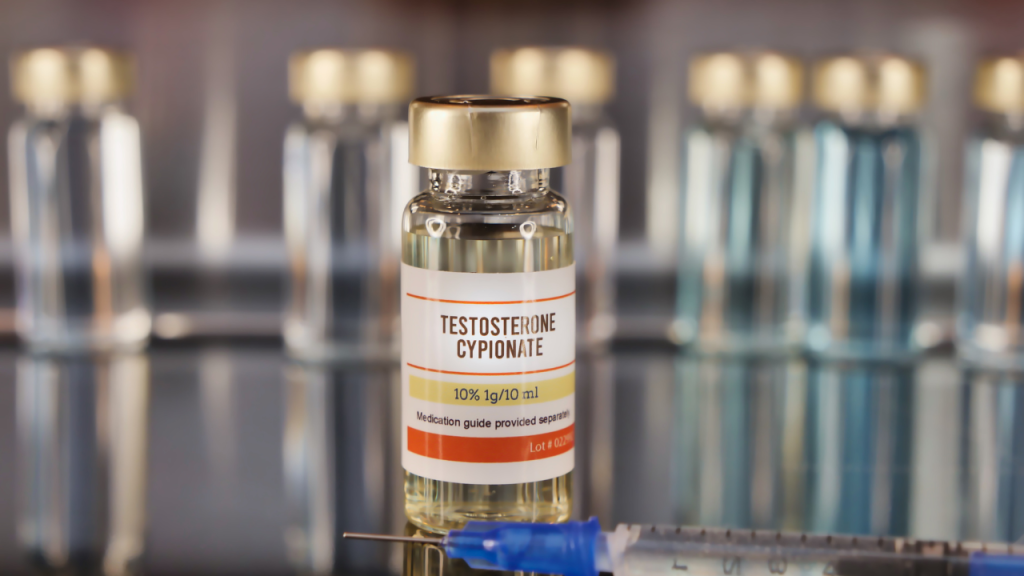
Testosterone injections and creams (or gels) are among the most commonly used forms of testosterone treatment.
Testosterone injections put the medication directly into the muscle or, with some products, under the skin. Common forms include testosterone cypionate, testosterone enanthate, testosterone propionate and testosterone undecanoate.
Contrarily, testosterone creams are applied directly to the skin daily, from where testosterone gets absorbed into the bloodstream.
The choice between testosterone injections and topical options depends on treatment response, convenience, lifestyle, tolerability, cost and patient preference.
All TRT methods, including injections and creams, require follow-up blood tests to ensure your testosterone is within the desired range and to monitor treatment safety.
What are the potential benefits of testosterone therapy?
According to medical experts and numerous clinical studies, testosterone therapy may provide the following benefits:
- Improve sexual desire
- Improve sexual function
- Favourable changes in body composition
- More lean muscle mass (muscle strength) and less body fat
- Improve bone mineral density
- Better mood and overall sense of well-being
- Diabetes regulation
- Improve erectile function
It is worth noting that TRT can improve overall quality of life but its results can vary from person to person.
What are the risks and side effects of TRT?
TRT can cause some side effects that may become more prominent if T levels rise too much or the treatment is not properly monitored. These include:
- Reduction in fertility (low sperm count)
- Testicular shrinkage
- High red blood cell count
- Fluid retention
- Breast enlargement
- Oily skin
TRT can also increase the risk of blood clots in some men. In the TRAVERSE trial (the largest study to date of TRT), TRT did not raise the overall risk of major cardiovascular events.
Some studies demonstrate TRT’s beneficial effects on certain cardiovascular risk factors.
However, some risks cannot be ruled out, particularly in men with existing heart problems hence regular TRT monitoring should be done.
TRT may also increase prostate-specific antigen in some men, particularly during the first year of the treatment. This is why PSA may be monitored during TRT, especially in men at increased risk of prostate disease.
Does TRT affect fertility?
Yes, TRT affects fertility over time. When you take exogenous (external) testosterone, it suppresses body’s own testosterone production and sperm production and, in some cases, stops it completely.
So, men planning to have children must talk to their doctor about their family plans before starting TRT.
Some treatments like hCG can he used in combination with testosterone therapy to help maintain fertility while you are on TRT.
Is testosterone good for you?
Testosterone treatment is beneficial for men with confirmed testosterone deficiency, but it should not be used simply for general ageing, performance enhancement, muscle building or to boost testosterone when levels are already normal.
Even for low T men, TRT is not always the right choice because the underlying cause may be reversible and treatment carries potential risks such as prostate-related concerns.
Your doctor will consider your testosterone levels, symptoms, and possible risks to decide whether you are the right TRT candidate.
How Balance My Hormones can help
When low testosterone is affecting your health, getting the right diagnosis is the first step. At Balance My Hormones, we take a thorough approach to testosterone testing, treatment and ongoing support to help low T men take control of their health.
Our doctor-led TRT clinic offers everything you need to manage low testosterone in one place. From at-home and comprehensive blood testing to expert consultations, personalised TRT treatment and ongoing monitoring.
If you are experiencing symptoms of low T and want proper medical advice, speak to our professionals today. We will guide you through each step and tailor your treatment around your individual needs.
FAQs about testosterone for men
Does low testosterone cause erectile dysfunction (ED)?
Low testosterone can cause erectile dysfunction but it is not always the underlying cause. According to researchers, 1 in 3 ED men have low testosterone.
Can low testosterone cause weight gain?
Yes, low levels of testosterone can contribute to weight gain, directly or indirectly, by altering body composition, reducing muscle mass, increasing body fat and potentially lowering energy levels and physical activity.
Can low testosterone cause tiredness?
Yes, it can. Tiredness and fatigue are common symptoms of low testosterone.
Can you test your testosterone levels at home?
You can get your testosterone levels checked with the help of at-home testosterone test kits. These kits usually involve collecting a small blood sample and sending it to a lab for testing.
Can I take testosterone if my levels are normal?
Testosterone is a prescription-only medication approved for men with confirmed low T. Taking it with normal testosterone levels can lower your natural testosterone production and cause serious health risks.
Can I get TRT in the UK?
You can get TRT in the UK if you have hypogonadism and your doctor considers you a suitable candidate for treatment.
Where to get testosterone replacement therapy?
TRT is available through the NHS and licensed private clinics across the UK. NHS has strict eligibility criteria while private clinics offer more flexibility.
What happens when a man takes testosterone?
When you take testosterone, your serum testosterone levels rise and low T symptoms may improve over time. Regular blood tests are required to check your new testosterone levels and monitor treatment response.
Is TRT for life?
Not necessarily in every situation. It may be lifelong if the cause of hypogonadism is a permanent problem. Otherwise, it can be reviewed and potentially stopped if testosterone production recovers.
References
Rojas-Zambrano, J.G., Rojas-Zambrano, A.R., Rojas-Zambrano, A.F., Barahona-Cueva, G.E., Rojas-Zambrano, A. and Rojas-Zambrano Sr, A.F., 2025. Benefits of testosterone hormone in the human body: A systematic review. Cureus, 17(2).
Bhasin, S., Lincoff, A.M., Nissen, S.E., Wannemuehler, K., McDonnell, M.E., Peters, A.L., Khan, N., Snabes, M.C., Li, X., Li, G. and Buhr, K., 2024. Effect of testosterone on progression from prediabetes to diabetes in men with hypogonadism: a substudy of the TRAVERSE randomized clinical trial. JAMA Internal Medicine, 184(4), pp.353-362.
Ide, H., 2023. The impact of testosterone in men’s health. Endocrine Journal, 70(7), pp.655-662.
Lincoff, A.M., Bhasin, S., Flevaris, P., Mitchell, L.M., Basaria, S., Boden, W.E., Cunningham, G.R., Granger, C.B., Khera, M., Thompson Jr, I.M. and Wang, Q., 2023. Cardiovascular safety of testosterone-replacement therapy. New England Journal of Medicine, 389(2), pp.107-117.
Evidence Based Research
This article has been researched and written based on scientific evidence and fact sheets that have then been crossed checked by our team of doctors and subject matter experts.
References, sources and studies used alongside our own in-house research have been cited below, most of which contain external clickable links to reviewed scientific paper that contain date stamped evidence.
Our team of healthcare experts and GMC registered doctors are licensed to UK GMC standards. We strive to provide you with the latest evidence based, researched articles that are unbiased, honest and provide you with accurate insights, statistics and helpful information on the discussed topic to ensure you gain a better understanding of the subject. You can read more about our Editorial Process by clicking here.
We value your feedback on our articles, if you have a well-researched paper you would like to share with us please contact us.
Quick Low Testosterone Test
If you know your total testosterone reading from a previous blood test input the results to the left above to see if your testosterone levels are normal.
Low Testosterone Levels
You may have low testosterone depending on the symptoms you have, please contact us to find out how we can help.
Please Retry
The Total Testosterone Level You Entered Is Incorrect. Figure Must be in nmol/L you can use our converter here.
Normal Testosterone Levels
Your testosterone levels appear to be in the normal range.
LOOKING GOOD!
You must be over 38, have had your ovaries removed or have suffered with premature menopause to warrant further hormone tests.
Further investigation needed
Please contact us to discuss your hormones, we need your total testosterone levels to validate your hormone deficiency. You can order a blood test here.
Low Testosterone Levels
You may have low testosterone depending on the symptoms you have, please contact us to find out how we can help.
High Testosterone Levels
You appear to have higher than normal testosterone levels, please contact us for further investigation.
Normal Testosterone Levels
You appear to have normal testosterone levels. Contact us if you have any concerns.
About the Author: Mike Kocsis
 Mike Kocsis has an MBA with a focus on healthcare administration and is an entrepreneur and medical case manager for Balance My Hormones which offers medical services in the UK and Europe. Mike has over 25 years of experience in the healthcare sector, much of that working with people who have hormone imbalances. Mike has appeared on podcasts and radio and is an expert speaker on the subject of hormone imbalance. He specialises in Testosterone Replacement Therapy and Hormone Replacement Therapy (HRT) and with his first-hand experience he has helped thousands of people suffering from low testosterone recover and regain control of their lives. You can follow him on LinkedIn and on the Balance My Hormones YouTube Channel.
Last update: September 25th, 2026