By Mike Kocsis | 10 minutes read | Last updated: November 16, 2026 Categories: Hormone imbalance Testosterone
Medically Reviewed by Dr. George Touliatos
You may have low T if you are experiencing related symptoms such as reduced sex drive, erectile dysfunction, loss of muscle mass and persistent fatigue. However, a testosterone level test and clinical assessment are essential to confirm the diagnosis.
A testosterone test measures your serum testosterone levels. If the first result shows low testosterone levels, the test is repeated, ideally a few weeks later, to confirm whether your levels are consistently low.
Then a clinical evaluation is carried out. It considers the whole picture, including your medical history, signs and test results to draw a final conclusion.
In this article, we explain how to tell if you have low testosterone, including the signs to look out for, the tests that can confirm low T and what your results mean.
Meet Our TRT Doctors
Meet our Doctors


Our team of experienced TRT doctors can help you figure out whether you have low testosterone levels and find the right way forward.
9 signs of low testosterone in men you shouldn’t ignore
Here are the most common symptoms that may indicate you have low T.
1. Low sexual desire
Low libido is when sex does not cross your mind as often as it used to. You feel less interested in sexual activity and may turn down your partner’s advances more often because you do not feel in the mood.
2. Loss of early morning or late-night erections
Another common low testosterone symptom is having fewer morning or night erections. They either stop altogether or become less frequent or weaker than they used to be.
3. Erectile dysfunction (ED)
Low testosterone directly impacts your sexual health. In some men, it can cause erection problems, making it difficult for them to gain or maintain an erection firm enough for sex.
4. Mood swings
Low T also disrupts emotional well-being. The British Society for Sexual Medicine (BSSM) lists anger, irritability, sadness, reduced motivation and depression among the possible psychological symptoms of testosterone deficiency syndrome.
Some men may also experience reduced cognitive function, brain fog and poor focus.
5. Physical exhaustion and fatigue
You may feel as though your energy levels are constantly running low. You have neither the mental nor the physical energy to get through the day.
However, tiredness can have various other causes. Read more about them here: Why Am I Tired All the Time?
6. Decreased muscle mass
Testosterone deficiency can make muscles lose their definition and volume. Over time, this may lead to loss of muscle strength and function.
7. Loss of bone mass
Very low testosterone levels can lead to low bone mineral density, making bones weaker and prone to fractures.
8. Increased body fat
Studies show that male hypogonadism (low T) can disrupt your body fat composition and promote fat storage, especially in the abdomen.
9. Gynaecomastia
Enlargement of male breast tissue (gynaecomastia) is also a recognised symptom among men with hormonal imbalance.
All these symptoms can be multifactorial in origin. Bad eating habits, stress and lack of sleep can also cause them. This makes it difficult to identify low T based on symptoms alone, which is why getting your testosterone levels checked through blood tests is the next step.
Read more about low T:
Take our free 60-second hormone quiz to check your risk of low T.
Low testosterone test
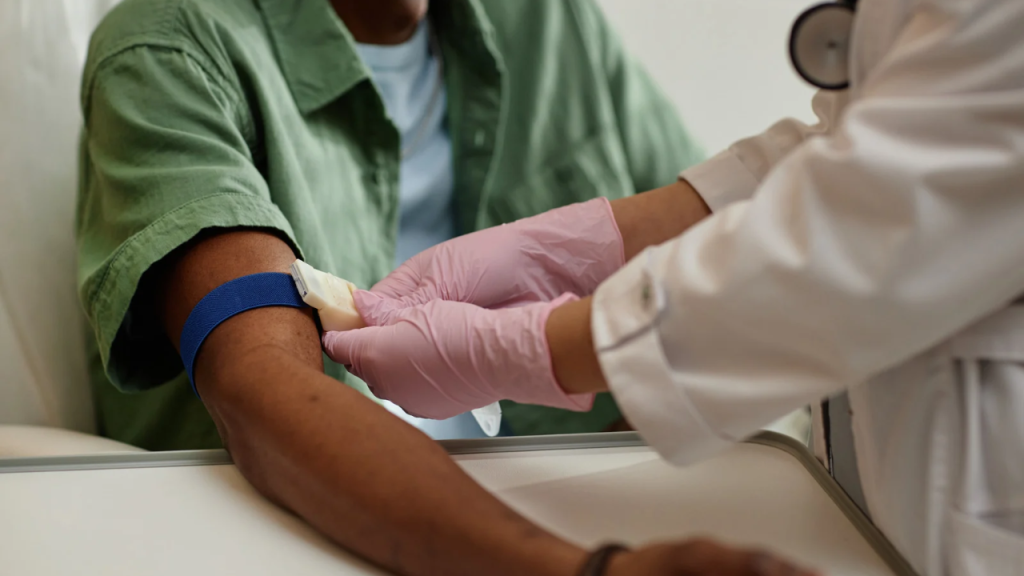
In symptomatic men, a testosterone blood test is conducted to measure their serum testosterone levels. A basic test measures total testosterone (the sum of bound and unbound testosterone), while a comprehensive hormone profile may also include:
Free testosterone: It is the unbound testosterone that is available to tissues for use. Most labs do not measure it directly but calculate it using total testosterone, SHBG and albumin levels.
Use our free testosterone calculator by clicking here.
SHBG: Sex hormone-binding globulin (SHBG) is a protein that binds to testosterone and reduces the amount of free testosterone available to tissues. High SHBG levels can lower your free testosterone levels, even when total testosterone is within the normal range.
LH and FSH: Luteinizing hormone (LH) and follicle-stimulating hormone (FSH) are two pituitary gland hormones that stimulate the testes to produce testosterone and sperms. Measuring their levels can help determine whether your low T is due to a testicular issue or a problem with hormonal signals from the brain.
Prolactin: It’s a hormone whose high levels can interfere with testosterone production.
The European Association of Urology (EAU) recommends measuring testosterone levels in the morning (07:00 and 10:00) in a fasting state.
This is because testosterone levels are the highest in the morning and then they decline throughout the day. Also, eating certain foods can temporarily lower testosterone and affect test results which is why fasting is preferred.
Learn more about testosterone test timing by clicking here.
Where to get a testosterone test?
There are three ways you can get your testosterone levels checked in the UK:
Testosterone test via NHS
If you have relevant symptoms, your GP can arrange a blood test to measure your total testosterone levels. NHS testing is a good starting point for many men.
However, the initial NHS test may not include free testosterone or SHBG. Without these markers, borderline results may be harder to interpret accurately.
Private testosterone test
Private testosterone testing comes with more options and a wider choice of hormone tests.
You can usually book a test online without a GP referral. Some providers offer at-home finger-prick kits, while others can arrange for a nurse to visit your home and collect a blood sample. Alternatively, you can also visit a clinic for a blood draw.
At-home testosterone test kit
Some private testing providers offer at-home testosterone kits. They contain all the tools you need to collect sample and send it back to lab for analysis.
These kits come with detailed step-by-step instructions that you must follow to ensure the sample is collected, stored and sent correctly.
How to read testosterone test results?
Most testosterone test results have a reference range, which shows the expected testosterone levels in healthy men. Your own testosterone level will also be shown, allowing you to compare your result with the laboratory’s reference range.
Testosterone is usually measured in nmol/l in the UK. Here is a general framework that may help you understand your test results:
– Below 8 nmol/L: If your testosterone is below 8 nmol/L on two separate morning blood tests and you have symptoms of testosterone deficiency, this is likely to indicate hypogonadism (low testosterone).
– Between 8 and 12 nmol/L: This is considered a borderline range, a grey zone. Your doctor will assess your symptoms and may request further tests to clarify the result.
– Above 12 nmol/L: Testosterone deficiency is generally less likely at this level, although your symptoms and clinical picture still need to be considered.
These thresholds are guidance, not a diagnosis on their own. A doctor should interpret your results alongside your symptoms and additional tests.
What happens after a low testosterone test result?
If your first testosterone test shows low testosterone levels, your doctor will likely follow these steps:
Repeat testosterone test: Testosterone levels can fluctuate for multiple reasons so a second test is conducted to confirm levels.
Additional tests to identify the cause: If the second test is also low, your doctor may order a broader panel of blood tests to find the cause.
These can include tests for LH, FSH, prolactin, free testosterone, thyroid function, oestrogen and sex hormone-binding globulin (SHBG).
Additional tests, such as a pituitary MRI or testicular ultrasound, may also be recommended.
Get a tailored treatment plan: Once the actual cause is identified, your doctor designs a customised treatment to help you restore testosterone levels.
If the cause is lifestyle-related, such as your weight, poor sleep or stress, healthy lifestyle changes are suggested. Improving lifestyle can prove to be very effective in increasing testosterone in such patients.
For others, medical interventions like hormone replacement therapy (HRT) are recommended to bring serum testosterone levels back to normal.
Testosterone replacement therapy (TRT) for low T
In testosterone replacement therapy (TRT), the patient takes exogenous testosterone to restore testosterone levels to a healthy range and relieve associated symptoms.
Testosterone comes in multiple forms, including testosterone injections, gels, creams and pills. Each form has its unique pros and cons that you must discuss with your provider before choosing an option that best suits your health goals.
TRT also has some potential side effects, due to which it is not suitable for all. Your doctor will weigh its potential benefits against the risks before recommending testosterone treatment.
How Balance My Hormones can help
Balance My Hormones has years of experience providing diagnostic and treatment services for men experiencing symptoms of low T. We offer convenient at-home testosterone testing, comprehensive hormone profiles and consultations with TRT doctors.
Our team can help you get your testosterone levels checked, understand your results and explore hormonal treatment options. Contact now to book a free consultation.
FAQs about testosterone level test
Do I have low testosterone?
You may have low T if you have related symptoms and consistently low testosterone levels confirmed through blood tests. However, only a doctor can confirm whether you have testosterone deficiency after a complete medical evaluation.
Can low testosterone be cured?
Low T may or may not be cured, depending on its cause. For instance, if your low T is due to obesity, losing weight can help you restore testosterone levels. But if it is because of permanent testicular damage, natural testosterone production may not recover.
What is male hypogonadism?
Male hypogonadism is when your body does not produce enough testosterone. It is a scientific term used for low T or testosterone deficiency. It is generally categorised into two main types:
- Primary hypogonadism: This occurs when testes do not produce testosterone even after receiving signals from the brain.
- Secondary hypogonadism: This is when brain fails to send proper signals to testes to produce testosterone.
References
https://uroweb.org/guidelines/sexual-and-reproductive-health/chapter/male-hypogonadism
De Silva, N.L., Papanikolaou, N., Grossmann, M., Antonio, L., Quinton, R., Anawalt, B.D. and Jayasena, C.N., 2024. Male hypogonadism: pathogenesis, diagnosis, and management. The Lancet Diabetes & Endocrinology, 12(10), pp.761-774.
Boeri, L., Masterson, T., Antonio, L., Corona, G., Khera, M., Salonia, A. and Mulhall, J.P., 2025. Testosterone therapy in adult males with hypogonadism. European urology.
Evidence Based Research
This article has been researched and written based on scientific evidence and fact sheets that have then been crossed checked by our team of doctors and subject matter experts.
References, sources and studies used alongside our own in-house research have been cited below, most of which contain external clickable links to reviewed scientific paper that contain date stamped evidence.
Our team of healthcare experts and GMC registered doctors are licensed to UK GMC standards. We strive to provide you with the latest evidence based, researched articles that are unbiased, honest and provide you with accurate insights, statistics and helpful information on the discussed topic to ensure you gain a better understanding of the subject. You can read more about our Editorial Process by clicking here.
We value your feedback on our articles, if you have a well-researched paper you would like to share with us please contact us.
Quick Low Testosterone Test
If you know your total testosterone reading from a previous blood test input the results to the left above to see if your testosterone levels are normal.
Low Testosterone Levels
You may have low testosterone depending on the symptoms you have, please contact us to find out how we can help.
Please Retry
The Total Testosterone Level You Entered Is Incorrect. Figure Must be in nmol/L you can use our converter here.
Normal Testosterone Levels
Your testosterone levels appear to be in the normal range.
LOOKING GOOD!
You must be over 38, have had your ovaries removed or have suffered with premature menopause to warrant further hormone tests.
Further investigation needed
Please contact us to discuss your hormones, we need your total testosterone levels to validate your hormone deficiency. You can order a blood test here.
Low Testosterone Levels
You may have low testosterone depending on the symptoms you have, please contact us to find out how we can help.
High Testosterone Levels
You appear to have higher than normal testosterone levels, please contact us for further investigation.
Normal Testosterone Levels
You appear to have normal testosterone levels. Contact us if you have any concerns.
About the Author: Mike Kocsis
 Mike Kocsis has an MBA with a focus on healthcare administration and is an entrepreneur and medical case manager for Balance My Hormones which offers medical services in the UK and Europe. Mike has over 25 years of experience in the healthcare sector, much of that working with people who have hormone imbalances. Mike has appeared on podcasts and radio and is an expert speaker on the subject of hormone imbalance. He specialises in Testosterone Replacement Therapy and Hormone Replacement Therapy (HRT) and with his first-hand experience he has helped thousands of people suffering from low testosterone recover and regain control of their lives. You can follow him on LinkedIn and on the Balance My Hormones YouTube Channel.
Last update: November 16th, 2026