By Mike Kocsis | 7 minutes read | Last updated: October 6, 2026 Categories: Testosterone
Medically Reviewed by Dr. George Touliatos
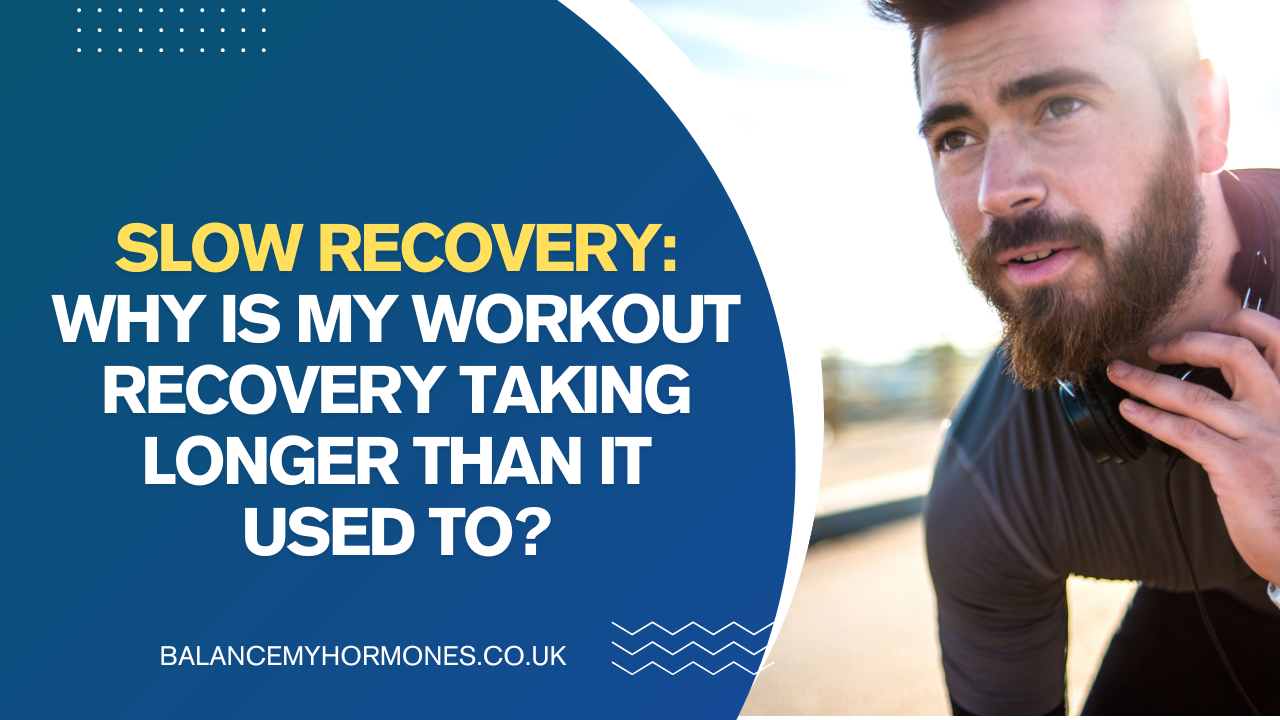
One night of sleep deprivation reduced muscle protein synthesis by 18% in a small study of healthy adults. However, sleep is not the only reason that can slow down your workout recovery.
Poor nutrition, dehydration, overtraining, age-related muscle loss and hormonal changes can all affect how well your body recovers after exercise.
In this article, we will look at the common causes of slow recovery after workouts and what you can do about them.
What are the causes of slow muscle recovery?
Enlisted below are the common reasons why you might be experiencing slower recovery.
Lack of sleep
Sleep helps activate body’s repair mechanisms, trigger muscle protein synthesis and maintain hormonal balance. Its long-term deprivation can interfere with all these processes.
Experts agree that even one night of significant sleep loss can reduce protein synthesis and worsen recovery.
Stress
Chronic psychological stress has been shown to slow strength recovery and increase fatigue/soreness. It increases cortisol hormone levels, muscle tension and body inflammation. Additionally, it reduces blood flow to muscle tissues that require healing.
Poor diet
Active adults generally have higher nutritional needs than less active people because of increased demand for active recovery. Calorie deficits or low-carb intake can slow recovery. Without sufficient amino acids, muscle fiber repair gets impaired.
Not drinking enough water
Data show that athletes lose 0.5 to 3 L of water per hour through sweating. Dehydration can impair physical performance and make it harder to recover between workouts.
Research also indicates that dehydration can reduce muscle strength by 5.5% and anaerobic power by 5.8%.
Overtraining
Overtraining means increasing exercise intensity and frequency without giving your body enough time to recover before the next workout. This physical exertion can cause exercise-induced stress and increase risk of muscle strains, joint pain and other injuries.
Your muscle tissue changes with age and ageing naturally slows recovery.
According to research, around 3% to 8% of muscle mass decreases per decade after the age of 30. So, this gradual loss of muscle mass can affect strength and gradually increase recovery time after exercise.
Hormonal changes
Hormonal fluctuations due to age or medical issues can also slow down your recovery.
Testosterone declines 1 to 2% per year after the age of 30 in men. Lower testosterone is associated with reduced muscle mass and strength. This can make recovery from exercise more challenging and hinder progress in the gym.
Can low testosterone affect workout recovery?
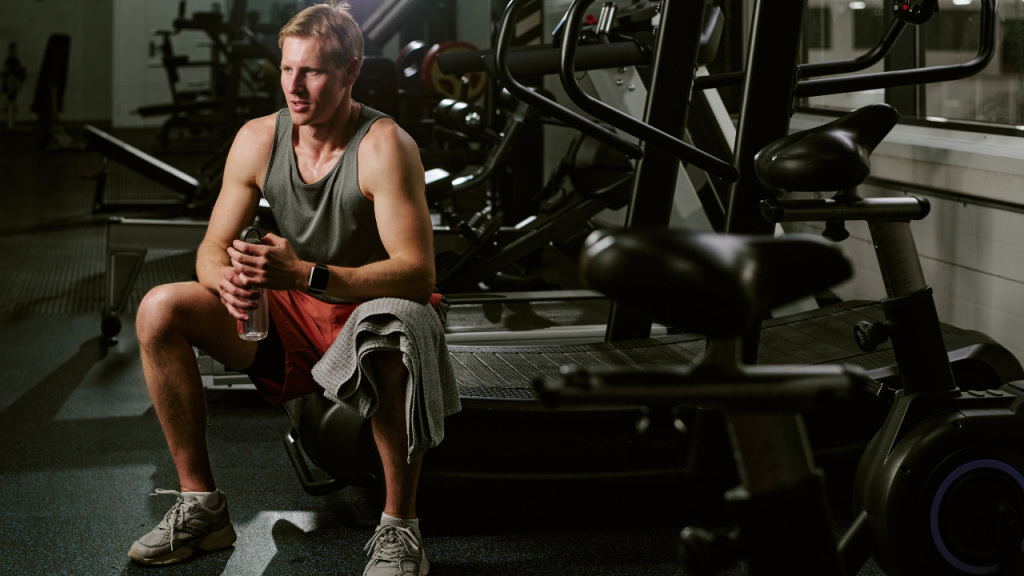
Yes, low testosterone can negatively influence your recovery.
Testosterone is an anabolic (muscle-building) hormone. So, naturally, it directly impacts muscle repair, hypertrophy and strength. What’s more, it also promotes muscle protein synthesis and satellite cells (muscle stem cells) activation.
So, if your testosterone is abnormally low (due to hypogonadism, unhealthy lifestyle, etc.), you may notice poorer recovery and strength gains. However, mild age-related T decline alone does not always cause obvious symptoms.
Should I get my testosterone levels checked?
You should consider testosterone testing if you have consistent and multiple symptoms of low T, especially sexual ones.
Guidelines from the BSSM emphasise that isolated symptoms, such as fatigue, are non-specific. Therefore, testing should be considered when there is a combination of symptoms and signs that are consistent with testosterone deficiency.
Will TRT improve workout recovery?
Testosterone replacement therapy (TRT) may improve your workout recovery if you have testosterone deficiency.
TRT involves providing body with testosterone hormone that it is unable to produce on its own. So, when serum testosterone levels are restored through TRT, many men may experience improvements in symptoms, including slow muscle recovery.
A 2026 review looked specifically at TRT in musculoskeletal recovery, rehabilitation and sports medicine. It included 25 studies and found clinical evidence that testosterone can support muscle adaptation, tissue repair and recovery in low T men.
However, the benefits of TRT can vary from person to person depending on your overall health and other factors.
Caution: TRT is a medical therapy for diagnosed hypogonadism. It is not approved as a general muscle-recovery aid for men with normal testosterone levels. Misusing TRT can have severe risks. One should never rely on it as a quick fix for slow recovery unless they have confirmed hypogonadism and their doctor recommends it.
How to speed up muscle recovery after a workout?
The following practical tips can support muscle recovery, help heal exercise-induced muscle damage faster and speed up recovery period:
- Get adequate sleep: Your body carries out important repair processes during sleep. Consistently getting enough sleep gives your muscles the time they need to recover between workouts.
- Take carbohydrates: Muscle glycogen is the local fuel your muscles burn during a workout. So, consume enough complex carbohydrates to replenish your glycogen stores and aid recovery.
- Improve your training schedule: Avoid training the same muscle groups hard on consecutive days. Build rest days into your training schedule, especially after intense workouts.
- Stay active: Gentle walking or low-intensity exercise can help you stay active while sore muscles recover. This can be useful when dealing with delayed onset muscle soreness (DOMS).
- Eat enough protein: Consuming protein is very effective in exercise recovery. According to the BHF, eating protein within 60 minutes of exercise may be most effective, particularly after longer training sessions.
- Use heat and cold therapy: Try cold and heat therapies smartly, as they can help reduce pain and relieve soreness.
- Consider compression therapy: Compression garments may help with perceived soreness and some aspects of short-term recovery if they suit you.
Conclusion
Intense exercise without adequate rest, nutrition and recovery can increase muscle fatigue and extend your muscle recovery time. Whether you are doing strength training, high intensity exercise or a challenging workout, your body needs enough time to repair muscle damage, restore energy stores and rebuild muscles.
A good post workout recovery routine can help you recover faster. Adequate protein, healthy fats, quality sleep and light exercise can all support the healing process. Depending on your needs, hot and cold therapy, massage or compression therapy may also help increase blood flow to damaged muscle tissue and decrease muscle soreness.
Low T can be one of the many causes of slow muscle recovery in men. It leads to other physical, sexual and mental health changes as well, which are among the symptoms your doctor considers when checking for testosterone deficiency. TRT may help hypogonadal men recover their testosterone levels and improve associated symptoms, including slow recovery.
Contact us today to learn what your testosterone levels are and whether TRT is the right choice for you.
References
Morán-Navarro, R., Pérez, C.E., Mora-Rodríguez, R., de la Cruz-Sánchez, E., González-Badillo, J.J., Sánchez-Medina, L. and Pallarés, J.G., 2017. Time course of recovery following resistance training leading or not to failure. European journal of applied physiology, 117(12), pp.2387-2399.
Hackett, G., Kirby, M., Rees, R.W., Jones, T.H., Muneer, A., Livingston, M., Ossei-Gerning, N., David, J., Foster, J., Kalra, P.A. and Ramachandran, S., 2023. The British Society for Sexual Medicine guidelines on male adult testosterone deficiency, with statements for practice. The world journal of men’s health, 41(3), p.508.
Volpi, E., Nazemi, R. and Fujita, S., 2004. Muscle tissue changes with aging. Current opinion in clinical nutrition and metabolic care, 7(4), p.405.
Morán-Navarro, R., Pérez, C.E., Mora-Rodríguez, R., de la Cruz-Sánchez, E., González-Badillo, J.J., Sánchez-Medina, L. and Pallarés, J.G., 2017. Time course of recovery following resistance training leading or not to failure. European journal of applied physiology, 117(12), pp.2387-2399.
Evidence Based Research
This article has been researched and written based on scientific evidence and fact sheets that have then been crossed checked by our team of doctors and subject matter experts.
References, sources and studies used alongside our own in-house research have been cited below, most of which contain external clickable links to reviewed scientific paper that contain date stamped evidence.
Our team of healthcare experts and GMC registered doctors are licensed to UK GMC standards. We strive to provide you with the latest evidence based, researched articles that are unbiased, honest and provide you with accurate insights, statistics and helpful information on the discussed topic to ensure you gain a better understanding of the subject. You can read more about our Editorial Process by clicking here.
We value your feedback on our articles, if you have a well-researched paper you would like to share with us please contact us.
Quick Low Testosterone Test
If you know your total testosterone reading from a previous blood test input the results to the left above to see if your testosterone levels are normal.
Low Testosterone Levels
You may have low testosterone depending on the symptoms you have, please contact us to find out how we can help.
Please Retry
The Total Testosterone Level You Entered Is Incorrect. Figure Must be in nmol/L you can use our converter here.
Normal Testosterone Levels
Your testosterone levels appear to be in the normal range.
LOOKING GOOD!
You must be over 38, have had your ovaries removed or have suffered with premature menopause to warrant further hormone tests.
Further investigation needed
Please contact us to discuss your hormones, we need your total testosterone levels to validate your hormone deficiency. You can order a blood test here.
Low Testosterone Levels
You may have low testosterone depending on the symptoms you have, please contact us to find out how we can help.
High Testosterone Levels
You appear to have higher than normal testosterone levels, please contact us for further investigation.
Normal Testosterone Levels
You appear to have normal testosterone levels. Contact us if you have any concerns.
About the Author: Mike Kocsis
 Mike Kocsis has an MBA with a focus on healthcare administration and is an entrepreneur and medical case manager for Balance My Hormones which offers medical services in the UK and Europe. Mike has over 25 years of experience in the healthcare sector, much of that working with people who have hormone imbalances. Mike has appeared on podcasts and radio and is an expert speaker on the subject of hormone imbalance. He specialises in Testosterone Replacement Therapy and Hormone Replacement Therapy (HRT) and with his first-hand experience he has helped thousands of people suffering from low testosterone recover and regain control of their lives. You can follow him on LinkedIn and on the Balance My Hormones YouTube Channel.
Last update: October 6th, 2026