By Mike Kocsis | 7 minutes read | Last updated: July 30, 2026 Categories: Testosterone
Medically Reviewed by Dr. George Touliatos
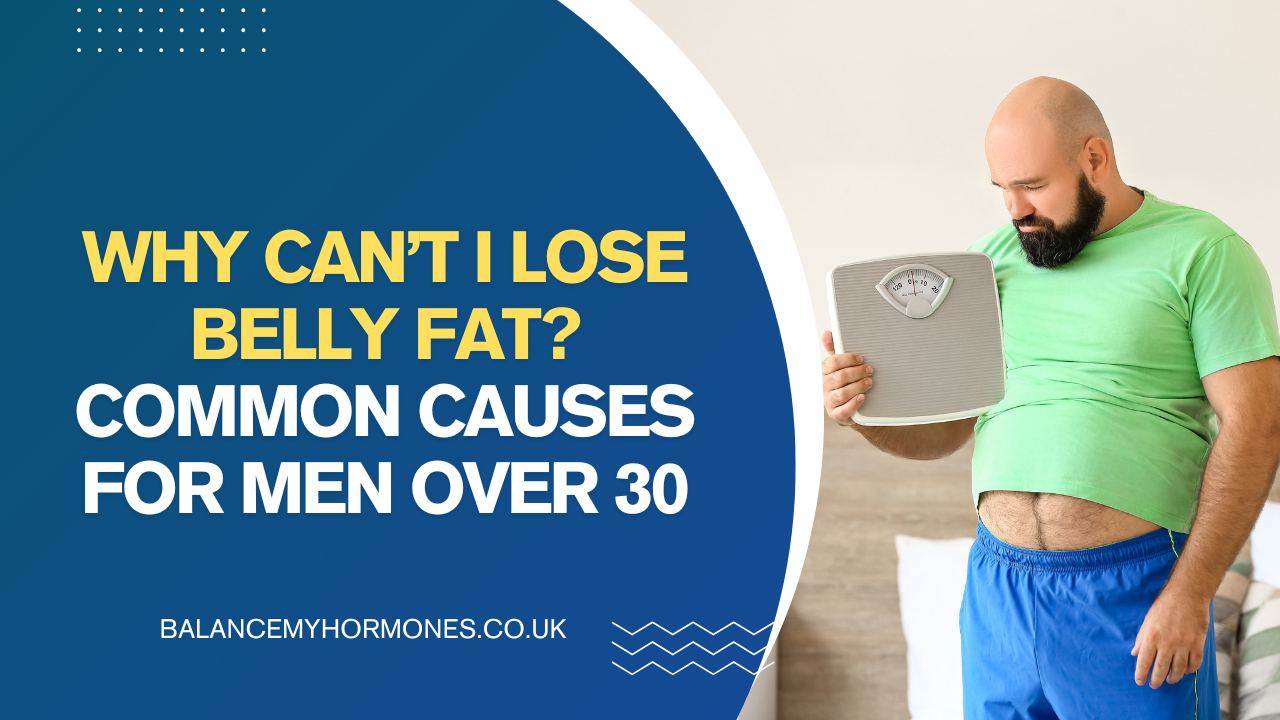
Did you know that men are more prone to storing belly fat than women due to differences in their fat distribution patterns?
And this tendency often increases with age due to hormonal changes, lifestyle factors, and metabolic shifts.
Stubborn belly fat, especially the visceral fat, can actively harm your health in many ways. It increases the risk of cardiovascular disease, type 2 diabetes, fatty liver disease, and other serious health conditions.
Many men struggle to lose belly fat despite trying different diets and exercise routines. In this article, we’ll explore the top reasons why men over 30 have trouble losing abdominal fat and what they can do about it.
Reasons you cannot lose belly fat (& how to overcome them)
Muscles are metabolically active so the more muscle you have, the more calories you burn.
After the age of 30, men gradually lose about 3–8% of their muscle mass per decade, a natural age-related process known as sarcopenia. This decline accelerates after the age of 60.
So, if you don’t make the necessary dietary changes and start strength training after 30, the effects of age-related muscle loss may become more noticeable. This can also make weight gain more likely.
What you can do: Improve your protein intake. Do progressive resistance training. Build an active lifestyle.
Hormonal changes begin
Some hormones involved in muscle growth, body fat storage, and metabolism begin to change with age. Among them, testosterone is the most significant, as studies show that it declines by about 1% per year after the age of 30 in men.
Testosterone is mostly recognized for its masculine effects but it plays many other roles such as:
- Maintaining muscle mass
- Regulating fat metabolism
- Supporting bone health
- Regulating fat mass distribution
Low testosterone levels can result in reduced muscle mass and an increased tendency to accumulate more belly fat and extra weight in men. This can create a vicious cycle, as increased body fat may further lower testosterone levels.
What you can do: Sleep well. Exercise regularly. Manage stress. Start a balanced diet.
Sedentary jobs
As we enter our 30s, work commitments often increase compared to our younger years. For many, this shift means spending more time behind a desk and less time moving throughout the day.
In the UK, more than 70% of professionals now spend prolonged hours sitting every day. Studies show that sitting down for too long increases serious health risks, such as:
- High cholesterol
- Visceral fat accumulation
- Weight gain and obesity (more commonly abdominal obesity)
- Muscle loss
- Heart diseases
- High blood pressure
- Insulin resistance or decreased insulin sensitivity (type 2 diabetes)
- Some cancers
What you can do: Take the stairs. Find active hobbies. Take movement breaks. Do your chores. Consume fewer calories to maintain a healthy weight.
Poor sleep quality
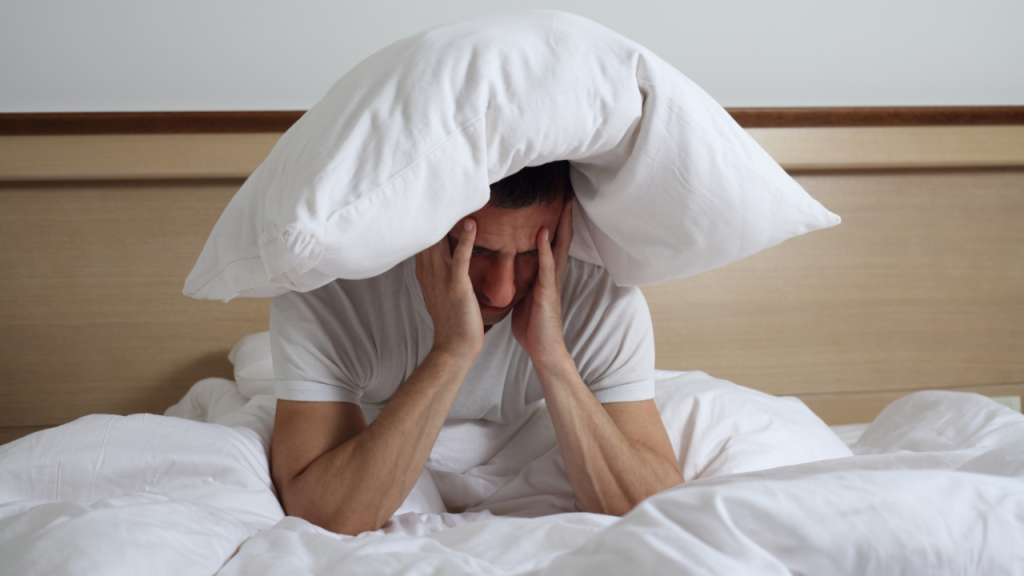
As men enter their 30s, increasing work commitments, family responsibilities, and stress often reduce both the duration and quality of sleep.
Research suggests that consistent inadequate sleep can cause weight gain by increasing your hunger hormone (ghrelin), satiety hormone (leptin), and stress hormone (cortisol).
In a 2022 randomised controlled study published in the Journal of the American College of Cardiology, researchers found that sleep restriction led to greater accumulation of harmful abdominal fat.
Numerous other studies and reviews have similarly linked chronic sleep deprivation with body weight gain and obesity.
What you can do: Adopt healthy sleep habits – one habit at a time. Maintain a consistent sleep schedule. Keep your phone out of your bedroom. Stop caffeine intake at least 6 hours before bedtime.
Lifestyle changes
After 30, lifestyle demands change a lot for many. For example, the time previously spent on exercise may now be replaced by childcare, household responsibilities, or taking care of an old sick relative.
Your schedule gets busy, physical activity decreases, and calorie expenditure also drops.
Busy schedules may lead to:
- More reliance on takeout or convenience foods.
- Less time preparing balanced meals.
- More frequent snacking due to stress or lack of planning.
Over time, these small habits can create a calorie imbalance and cause gradual fat gain, especially around the belly. This makes it harder to lose weight despite the effort.
What you can do: Plan and prepare meals ahead. Choose whole foods (containing lean protein, healthy fats, and complex carbs). Get a full night of rest. Try intermittent fasting.
Can low testosterone cause weight gain?
Low testosterone can contribute to an increase in weight and belly fat (both subcutaneous fat and visceral fat) in various ways, such as:
- It can lower your energy levels and motivation, making it more challenging to hit the gym and do exercise regularly.
- It may reduce muscle mass, slowing down fat burn.
- It affects fat distribution, making fat gain around the abdomen more likely.
Several studies show that low testosterone levels are linked with increased visceral fat (fat stored around the vital organs in the abdomen), which increases the risk of obesity and obesity-related diseases.
What to do:
Low testosterone can manifest in several ways. Some of its common symptoms include an increase in body fat, low muscle mass, reduction in bone density, and low sex drive.
If you are experiencing these signs and suspect that low T is the problem, it is best to visit a GP to get yourself medically checked. They will analyse your symptoms and medical history and may also run a testosterone blood test to measure your testosterone levels.
Men with low T are often asked to make healthy lifestyle changes to recover their testosterone levels. If the natural method does not work, doctors may then prescribe testosterone replacement therapy (only if you are the right candidate).
Bottom line
For many men, belly fat is one of the first places where excess fat accumulates and one of the last areas to slim down.
After 30, it becomes even more challenging to get rid of belly fat because of lifestyle and metabolic changes. Age-related hormonal changes can also affect how your body stores fat, making weight loss more difficult.
If you are struggling to lose abdominal fat or maintain a healthy weight, try improving your overall lifestyle. Reduce your alcohol intake, take a balanced and healthy diet, exercise regularly (start with aerobic exercises like brisk walking), do strength training, sleep well, and manage chronic stress.
All these changes can be very effective in reducing belly fat, improving insulin sensitivity, and preventing weight-related serious health issues.
If the belly fat still does not budge, it may be a good idea to consult a healthcare professional, as they can help identify the underlying cause and treat it.
References
Dabas, J., Shunmukha Priya, S., Alawani, A. and Budhrani, P., 2024. What could be the reasons for not losing weight even after following a weight loss program?. Journal of Health, Population and Nutrition, 43(1), p.37.
Kelly, D.M. and Jones, T.H., 2015. Testosterone and obesity. Obesity Reviews, 16(7), pp.581-606.
Evidence Based Research
This article has been researched and written based on scientific evidence and fact sheets that have then been crossed checked by our team of doctors and subject matter experts.
References, sources and studies used alongside our own in-house research have been cited below, most of which contain external clickable links to reviewed scientific paper that contain date stamped evidence.
Our team of healthcare experts and GMC registered doctors are licensed to UK GMC standards. We strive to provide you with the latest evidence based, researched articles that are unbiased, honest and provide you with accurate insights, statistics and helpful information on the discussed topic to ensure you gain a better understanding of the subject. You can read more about our Editorial Process by clicking here.
We value your feedback on our articles, if you have a well-researched paper you would like to share with us please contact us.
Quick Low Testosterone Test
If you know your total testosterone reading from a previous blood test input the results to the left above to see if your testosterone levels are normal.
Low Testosterone Levels
You may have low testosterone depending on the symptoms you have, please contact us to find out how we can help.
Please Retry
The Total Testosterone Level You Entered Is Incorrect. Figure Must be in nmol/L you can use our converter here.
Normal Testosterone Levels
Your testosterone levels appear to be in the normal range.
LOOKING GOOD!
You must be over 38, have had your ovaries removed or have suffered with premature menopause to warrant further hormone tests.
Further investigation needed
Please contact us to discuss your hormones, we need your total testosterone levels to validate your hormone deficiency. You can order a blood test here.
Low Testosterone Levels
You may have low testosterone depending on the symptoms you have, please contact us to find out how we can help.
High Testosterone Levels
You appear to have higher than normal testosterone levels, please contact us for further investigation.
Normal Testosterone Levels
You appear to have normal testosterone levels. Contact us if you have any concerns.
About the Author: Mike Kocsis
 Mike Kocsis has an MBA with a focus on healthcare administration and is an entrepreneur and medical case manager for Balance My Hormones which offers medical services in the UK and Europe. Mike has over 25 years of experience in the healthcare sector, much of that working with people who have hormone imbalances. Mike has appeared on podcasts and radio and is an expert speaker on the subject of hormone imbalance. He specialises in Testosterone Replacement Therapy and Hormone Replacement Therapy (HRT) and with his first-hand experience he has helped thousands of people suffering from low testosterone recover and regain control of their lives. You can follow him on LinkedIn and on the Balance My Hormones YouTube Channel.
Last update: July 30th, 2026