By Mike Kocsis | 7 minutes read | Last updated: August 18, 2026 Categories: Testosterone
Medically Reviewed by Dr. George Touliatos
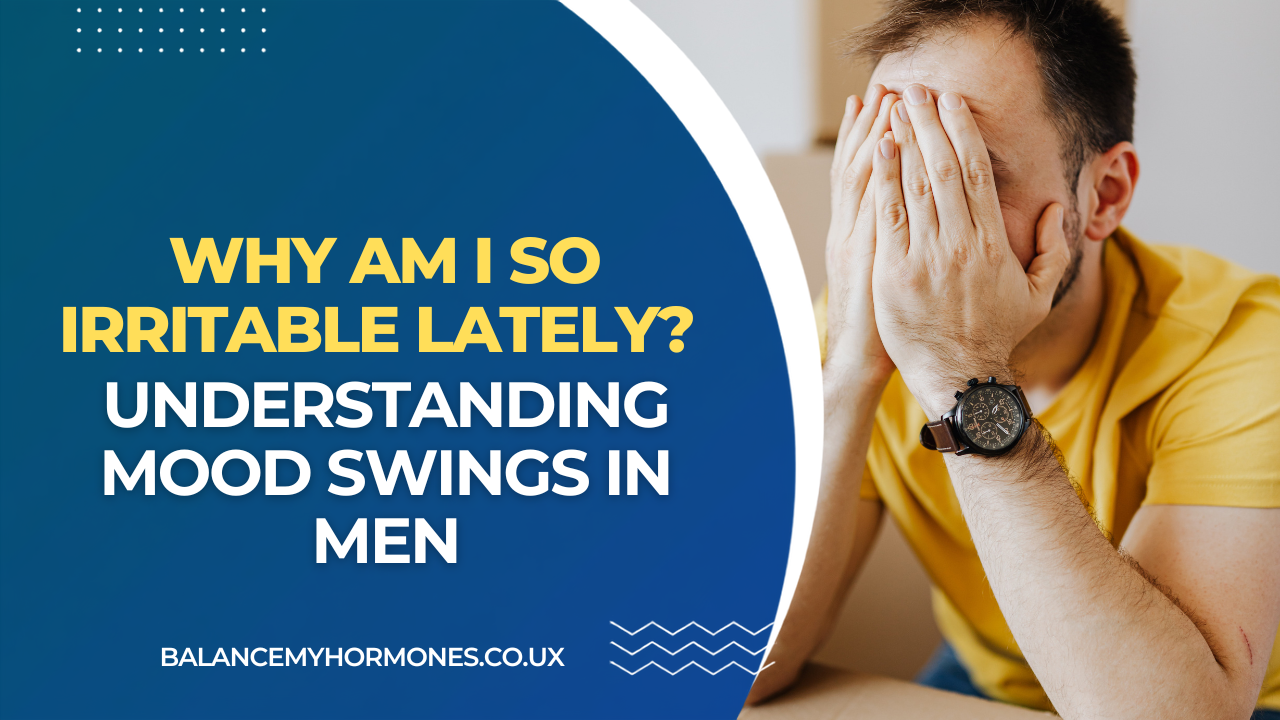
Ever snapped at someone and wondered, “What’s got into me?” Maybe you have even asked yourself, “Why am I so irritable lately?” If so, you are not alone.
Traditionally, mood swings are dismissed as a “women’s thing,” but in reality men experience them too. Science tells us guys go through emotional ups and downs just like anyone else.
Most often, men experience mood swings due to everyday pressure, poor sleep, ongoing stress, or a disturbed routine. But if your mood changes have become more frequent and they are getting out of control, this may mean something deeper is going on.
In this article, we will talk about mood changes in men in detail, including the main causes behind mood swings and practical steps you can take to take control of your mood again.
What are the symptoms of mood swings in men?
Mood swings in men often mean sudden or extreme emotional shifts, sometimes without an obvious trigger. Here are common signs of mood changes that many men experience:
- Irritability
- Hypersensitivity
- Anger
- Sadness
- Frustration
- Restlessness
- Anxiousness
- Depressive thoughts
- Low self-confidence
- Fluctuation in energy levels
- Impatience
- Withdrawal
- Sleep disturbances
- Cognitive issues (lack of focus, brain fog and racing thoughts)
The term irritable male syndrome (IMS) is sometimes used to describe this pattern of mood changes.
Seek medical assistance if your moodiness becomes out of control or severe.
Top 10 causes of mood swings in males
1. Life transitions
Some major shifts in your daily routine or roles, such as going through a divorce, losing a loved one, or changing jobs, force a person to change their habits. This can feel stressful and overwhelming and contribute to mood changes, even if it is because of a good change.
2. Stress and pressure
Work or relationship stress, grief or anxiety can cause frequent mood ups and downs.
3. Poor sleep
Studies suggest that lack of sleep can increase negative emotions while simultaneously decreasing good emotions. It can also make simple tasks feel tough, further aggravating frustration and irritability.
Sleeping well can help return the mood back to normal.
4. Certain medications
Unwanted changes in mood can be a potential side effect of some medications, such as blood pressure drugs, hormone therapy, anabolic steroids, and corticosteroids.
If you are experiencing extreme mood changes that you think may be caused by a medication, don’t stop taking it on your own. Speak to your healthcare provider, who can advise whether a different medication may be more suitable.
5. Substance use
Tobacco, marijuana and alcohol consumption can change your brain chemicals that control mood. This can lead to emotional highs and lows.
Quitting them can also cause grumpiness and mood swings for a while.
6. Testosterone decline
Men experience a gradual decline in testosterone levels as they age. Studies show that low testosterone can result in irritability and mood changes. Other low T symptoms like low sex drive and cognitive decline can further exacerbate this effect.
However, it is worth noting that age-related testosterone reduction does not mean every man will develop these symptoms. Many experience no noticeable problems at all.
7. Thyroid issues
Overactive thyroid, a condition named hyperthyroidism, can make thyroid gland produce more hormones than required. One of its many affects is getting angry over small things or sudden mood swings.

8. Mental health disorders
Sometimes, abrupt mood changes can be the result of mental health conditions, such as:
- Male depression
- Anxiety
- Bipolar disorder
- Attention-deficit/hyperactivity disorder (ADHD)
- Post-traumatic stress disorder (PTSD)
If mood changes come with persistent low mood, loss of interest or other depression symptoms, speak to a mental health professional.
9. Neurological conditions
Brain disorders, such as Alzheimer’s disease, brain tumour, normal pressure hydrocephalus, and traumatic brain injury can all impact your mood and emotions.
Because of these conditions, the areas of the brain responsible for emotion control can become temporarily or permanently affected, which may lead to changes in behaviour.
10. Abnormal blood sugar levels
Research indicates that both high and low glucose levels can make a person feel confused, irritable and not like themselves.
How to control mood swings?
Pinpointing the root cause of your behavioral change is the first thing you need to do to improve your mood swings.
Mood changes can affect your daily life, physical health and overall well-being. For most men, making healthy lifestyle changes can produce a significantly positive impact on their overall mood and mental health. Some examples of effective healthy lifestyle habits include:
- Make regular exercise your best friend as regular physical activity can support your mental health and help feel more balanced.
- Find healthy coping mechanisms to manage day to day stress.
- Learn to express your emotions as healthy emotional expression can help process difficult feelings rather than bottling them up.
- Prioritise sleep over doomscrolling.
For those who have mood problems due a medical issue like hormonal imbalance, speaking to a healthcare provider can help find the right way forward.
Hormone therapy may work for people with low testosterone and other hormonal problems. Similarly, managing sugar levels may be effective for most people with sugar problems.
Start with positive lifestyle changes for moderate mood issues. Go see a health professional or a GP if the lifestyle modifications do not work or if you have extreme mood swings.
Does low testosterone cause mood swings in men?
Testosterone is a vital male hormone that is linked to emotional regulation and emotional stability. Its low levels can cause behavioral problems in some men. High testosterone levels can also produce similar effects.
However, these symptoms can be related to lifestyle factors and some mental health problems, making it difficult to diagnose the hidden cause.
Talk to an endocrinologist if you suspect you are experiencing hormonal fluctuations.
Signs your mood changes may be due to low testosterone
If low testosterone is behind your mood changes, you may notice other symptoms alongside increased irritability. These include:
- Low sex drive
- Erectile dysfunction
- Loss of muscle mass
- Bone weakness
- Fatigue, tiredness or low energy
- Loss of self-confidence
- Difficulty concentrating or brain fog
Diagnosis requires both typical symptoms and a confirmed low morning total testosterone level on two occasions. Testosterone levels are checked through simple testosterone blood tests.
If symptoms persist or worsen, a clinician’s evaluation is advised. They may prescribe hormone therapy if you are the right candidate.
Testosterone replacement therapy (TRT) comes with both potential pros and cons. Discuss them with your doctor in detail before choosing it for managing low T.
Summing it up
Almost every person experiences mood swings for multiple reasons, including a life phase (adulthood, old age, etc.), mental health problem, high stress hormone, low testosterone, lack of sleep, etc.
In most cases, they improve on their own with the improvement of the lifestyle. But if they still persist, this may indicate an underlying condition is causing mood problems.
For mood swings due to low T, TRT may help restore your testosterone hormone levels and improve associated symptoms. Talk to our health professional today to determine if testosterone is the culprit behind your mood swings. Find the right way to address this problem.
References
Cohane, G.H., 2005. The Irritable Male Syndrome: Managing the 4 Key Causes of Depression and Aggression. International Journal of Men’s Health, 4(1), p.94.
Jung, H.J. and Shin, H.S., 2016. Effect of testosterone replacement therapy on cognitive performance and depression in men with testosterone deficiency syndrome. The world journal of men’s health, 34(3), p.194.
Evidence Based Research
This article has been researched and written based on scientific evidence and fact sheets that have then been crossed checked by our team of doctors and subject matter experts.
References, sources and studies used alongside our own in-house research have been cited below, most of which contain external clickable links to reviewed scientific paper that contain date stamped evidence.
Our team of healthcare experts and GMC registered doctors are licensed to UK GMC standards. We strive to provide you with the latest evidence based, researched articles that are unbiased, honest and provide you with accurate insights, statistics and helpful information on the discussed topic to ensure you gain a better understanding of the subject. You can read more about our Editorial Process by clicking here.
We value your feedback on our articles, if you have a well-researched paper you would like to share with us please contact us.
Quick Low Testosterone Test
If you know your total testosterone reading from a previous blood test input the results to the left above to see if your testosterone levels are normal.
Low Testosterone Levels
You may have low testosterone depending on the symptoms you have, please contact us to find out how we can help.
Please Retry
The Total Testosterone Level You Entered Is Incorrect. Figure Must be in nmol/L you can use our converter here.
Normal Testosterone Levels
Your testosterone levels appear to be in the normal range.
LOOKING GOOD!
You must be over 38, have had your ovaries removed or have suffered with premature menopause to warrant further hormone tests.
Further investigation needed
Please contact us to discuss your hormones, we need your total testosterone levels to validate your hormone deficiency. You can order a blood test here.
Low Testosterone Levels
You may have low testosterone depending on the symptoms you have, please contact us to find out how we can help.
High Testosterone Levels
You appear to have higher than normal testosterone levels, please contact us for further investigation.
Normal Testosterone Levels
You appear to have normal testosterone levels. Contact us if you have any concerns.
About the Author: Mike Kocsis
 Mike Kocsis has an MBA with a focus on healthcare administration and is an entrepreneur and medical case manager for Balance My Hormones which offers medical services in the UK and Europe. Mike has over 25 years of experience in the healthcare sector, much of that working with people who have hormone imbalances. Mike has appeared on podcasts and radio and is an expert speaker on the subject of hormone imbalance. He specialises in Testosterone Replacement Therapy and Hormone Replacement Therapy (HRT) and with his first-hand experience he has helped thousands of people suffering from low testosterone recover and regain control of their lives. You can follow him on LinkedIn and on the Balance My Hormones YouTube Channel.
Last update: August 18th, 2026