By Mike Kocsis | 7 minutes read | Last updated: September 10, 2026 Categories: Hormone imbalance Testosterone
Medically Reviewed by Dr. George Touliatos
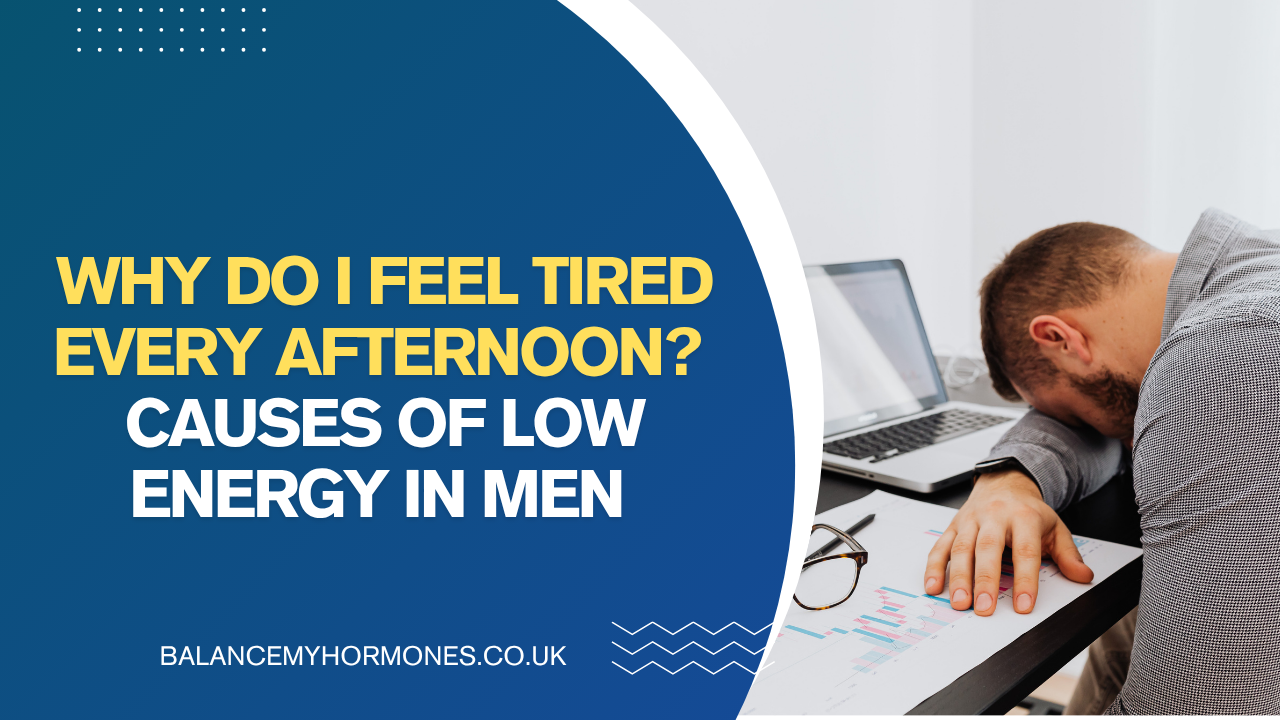
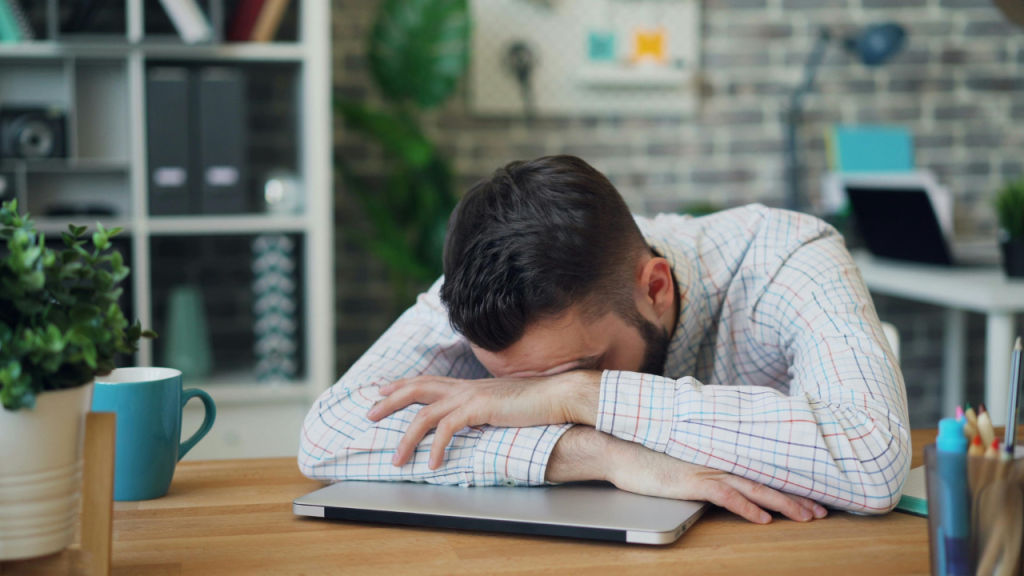
Every afternoon, your energy suddenly crashes, mostly between 1pm and 4pm, when you still have hours of work left.
Your mind feels foggy and your body feels drained even after taking a break or having lunch. Getting through the rest of the day feels like a real struggle.
If that’s how you feel every afternoon, worry not; you are not alone.
An afternoon slump is a common dip in energy that can happen as part of your body’s natural circadian rhythm. Its intensity, however, can vary based on individual factors.
For someone with a healthy lifestyle, it may feel like a minor blip in energy. But with unhealthy habits or an underlying health issue, the crash can feel like a truck hit you.
This article explains the top reasons why you may be feeling tired every afternoon. We also mention how to fix low energy in men effectively.
Why am I so fatigued every afternoon?
You have a disrupted circadian rhythm.
Circadian rhythm is your body’s internal 24-hour clock that regulates wakefulness, sleep, hormone release, and more.
Research confirms that the post-lunch dip is a natural phenomenon driven by our internal clock. So, it is normal to feel sleepy and less alert during early afternoon hours.
But if your circadian rhythm is disturbed due to night shifts or an irregular sleep schedule, afternoon fatigue can become more pronounced.
Your choice of food is making things worse.
Research shows that your meal size and composition can influence post-meal sleepiness.
A calorie-rich lunch high in refined carbohydrates causes a quick rise in blood glucose, followed by a drop as glucose is cleared from the bloodstream. That quick rise and fall in glucose levels can make you feel low on energy.
Similarly, some studies show that certain food components (like tryptophan amino acid) may promote serotonin hormone production, which could induce sleepiness.
You did not have enough sleep last night.
Most adults need at least 7 hours of slumber each night to support healthy daytime functioning. When you consistently cut your sleep short, daytime sleepiness, fatigue, and brain fog can catch up with you.
Sleep loss can also change your appetite and food choices.
A randomised trial found that sleep restriction increased hunger, fatigue, and the desire for snacks. If poor sleep pushes you toward sugary foods, those choices may further negatively impact your energy levels.
You are not drinking enough water.
Dehydration can make your natural midday dip worse by reducing your blood volume and making energy production processes less efficient.
Research suggests that losing as little as 1–3% of body weight through fluid loss can increase tiredness.
You are exercising too much or too little.
Excessive exercise can deplete your muscle’s glycogen stores (energy source) and lead to a midday energy dip. This effect is more prominent if you don’t take care of your body’s post-exercise nutritional needs and rest requirement.
In contrast, a sedentary lifestyle can weaken your muscles and stamina, reducing your overall energy level.
You have a hormonal imbalance or an underlying medical condition.
Hormones are the chemical messengers that your body produces in a specific amount to meet its needs. Their imbalance can impact different body processes. For example, low testosterone can contribute to persistent fatigue, muscle weakness, and low motivation.
Similarly, certain health problems can also make the afternoon energy crisis feel more intense.
Medical issues that can contribute to afternoon tiredness or even chronic fatigue include:
- Hypothyroidism
- Hypogonadism
- Diabetes
- Iron deficiency
- Vitamin D deficiency
- Digestive disorders
- Eating disorders
- Sleep apnea
- Insomnia
- Anxiety, depression, or other similar mental health issues
- Certain medications
If you have a healthy lifestyle yet your severe fatigue is not going away, it is best to talk to a medical professional to identify the actual cause.
How to stop feeling tired in the afternoon?
Here are the best practical tips that can help you avoid afternoon slump to some extent.
- Step away from your work desk and take a little refreshing break.
- Eat a balanced lunch. Avoid sugary snacks, processed foods, and heavy meal. Instead, have lean protein and complex carbs.
- Wake your body up with sunlight exposure.
- Reset your daily schedule. Use your high-energy hours for demanding work and save your lower-energy hours for tasks that require less mental effort.
- Take a 30 to 40 minutes long nap.
- Stay hydrated.
- Prioritise your sleep over doom scrolling.
- Maintain a healthy weight.
- Exercise regularly to boost hormones that increase energy.
Seek treatment if lifestyle changes like healthy diet, regular exercise and good sleep quality don’t help you fight tiredness.
What blood tests may be considered for low energy?
Low energy is mostly a result of poor lifestyle habits, such as little to no sunlight exposure, low physical activity level, poor diet, and lack of sleep.
If your energy problem is because of your lifestyle, testing may not be necessary if your energy improves after making healthy lifestyle changes.
But if you suspect an underlying health issue, your doctor may recommend a few blood tests.
Depending on your symptoms and medical history, these may include tests for thyroid function, blood glucose, iron levels, or certain hormones.
If low testosterone is suspected, testosterone blood tests can help determine whether your symptoms are related to hypogonadism (low T).
General afternoon slump vs low testosterone
The key difference is that a normal afternoon slump is usually time-specific, while low energy caused by testosterone deficiency persists beyond the afternoon.
Low testosterone can cause fatigue symptoms alongside many other symptoms, such as:
- Lack of motivation
- Irritability or low mood
- Hot flushes
- Brain fog
- Decrease in muscle mass
- Low sex drive
- Loss of bone density
A testosterone blood test is required to confirm testosterone deficiency. If low T is diagnosed through a proper medical evaluation, your doctor may suggest testosterone replacement therapy (TRT).
Testosterone is prescribed to men with confirmed testosterone deficiency when the potential benefits outweigh the risks and there are no contraindications to treatment. It may help low T men boost energy levels and improve overall quality of life.
Conclusion
Afternoon tiredness is a natural phenomenon but some lifestyle factors and medical health issues can intensify it.
If you are experiencing fatigue, observe your lifestyle closely to identify what could be contributing to it. Poor sleep, low water intake, poor diet, stress, alcohol consumption, and inactivity are some of its main lifestyle related contributing factors.
Sometimes, having very low energy consistently despite having a healthy lifestyle can indicate underlying health conditions such as low testosterone or iron deficiency.
Instead of relying on guesswork, consider reliable testing to confirm the true cause of unexplained fatigue. Talk to a healthcare provider today to determine whether testing or evaluation is required in your case.
References
Lv, W., Finlayson, G. and Dando, R., 2018. Sleep, food cravings and taste. Appetite, 125, pp.210-216.
Monk, T.H., 2005. The post-lunch dip in performance. Clinics in sports medicine, 24(2), pp.e15-e23.
Cohen, J., Nassau, D.E., Patel, P. and Ramasamy, R., 2020. Low testosterone in adolescents & young adults. Frontiers in endocrinology, 10, p.916.
Evidence Based Research
This article has been researched and written based on scientific evidence and fact sheets that have then been crossed checked by our team of doctors and subject matter experts.
References, sources and studies used alongside our own in-house research have been cited below, most of which contain external clickable links to reviewed scientific paper that contain date stamped evidence.
Our team of healthcare experts and GMC registered doctors are licensed to UK GMC standards. We strive to provide you with the latest evidence based, researched articles that are unbiased, honest and provide you with accurate insights, statistics and helpful information on the discussed topic to ensure you gain a better understanding of the subject. You can read more about our Editorial Process by clicking here.
We value your feedback on our articles, if you have a well-researched paper you would like to share with us please contact us.
Quick Low Testosterone Test
If you know your total testosterone reading from a previous blood test input the results to the left above to see if your testosterone levels are normal.
Low Testosterone Levels
You may have low testosterone depending on the symptoms you have, please contact us to find out how we can help.
Please Retry
The Total Testosterone Level You Entered Is Incorrect. Figure Must be in nmol/L you can use our converter here.
Normal Testosterone Levels
Your testosterone levels appear to be in the normal range.
LOOKING GOOD!
You must be over 38, have had your ovaries removed or have suffered with premature menopause to warrant further hormone tests.
Further investigation needed
Please contact us to discuss your hormones, we need your total testosterone levels to validate your hormone deficiency. You can order a blood test here.
Low Testosterone Levels
You may have low testosterone depending on the symptoms you have, please contact us to find out how we can help.
High Testosterone Levels
You appear to have higher than normal testosterone levels, please contact us for further investigation.
Normal Testosterone Levels
You appear to have normal testosterone levels. Contact us if you have any concerns.
About the Author: Mike Kocsis
 Mike Kocsis has an MBA with a focus on healthcare administration and is an entrepreneur and medical case manager for Balance My Hormones which offers medical services in the UK and Europe. Mike has over 25 years of experience in the healthcare sector, much of that working with people who have hormone imbalances. Mike has appeared on podcasts and radio and is an expert speaker on the subject of hormone imbalance. He specialises in Testosterone Replacement Therapy and Hormone Replacement Therapy (HRT) and with his first-hand experience he has helped thousands of people suffering from low testosterone recover and regain control of their lives. You can follow him on LinkedIn and on the Balance My Hormones YouTube Channel.
Last update: September 10th, 2026