By Mike Kocsis | 7 minutes read | Last updated: July 14, 2026 Categories: Testosterone
Medically Reviewed by Dr. George Touliatos
Constant fatigue has become such a common complaint that healthcare professionals have given it a name: TATT, short for “Tired All The Time.”
Most men feel tired from time to time. But if you are exhausted 24/7, your body may be trying to tell you something.
Persistent tiredness can stem from lifestyle factors, nutritional deficiencies, or low testosterone. It is essential to identify why you feel tired all the time and address the cause, especially if it is affecting your day-to-day life.
Here are the common reasons why most men feel constant fatigue.
10 possible causes of tiredness in men
1. Lack of quality sleep
Inadequate sleep is one of the leading causes of fatigue and exhaustion, according to studies.
A good night’s sleep is what your body needs to recharge itself for the next day. But when you don’t get enough sleep for an extended period, you may experience persistent mental and physical exhaustion.
Sleep disorders such as sleep apnoea and insomnia can also rob you of quality sleep and contribute to tiredness. Consult a medical professional if you have these problems to find the right solution and improve your sleep quality.
2. Poor diet
Food is fuel and your body cannot run on poor-quality fuel.
A diet high in ultra-processed foods but low in protein, healthy fats, minerals, and other essential nutrients can leave you feeling drained, even after a full night’s sleep.
Studies show that the following nutritional deficiencies can also cause tiredness:
- Iron
- Magnesium
- Vitamin C
- Vitamin D
- Vitamin B12
So, go for a balanced diet, consisting of all the essential nutrients. Hydration is also essential; aim for 6 to 8 glasses of water daily.
3. Being overweight or obese
According to a 2024 systematic review, fatigue affects nearly 60% of people with obesity.
Excess weight can contribute to fatigue in several ways. It increases the body’s energy demands, raises the risk of sleep disorders and depression, and is also linked to chronic inflammation. All of these can leave you feeling tired throughout the day.
4. Poor lifestyle
Your lifestyle can have a direct impact on your energy levels. Daily habits that can leave you feeling exhausted all the time include:
- Lack of physical activity (sedentary lifestyle)
- Drinking alcohol excessively
- Consuming too much caffeine
- Dehydration
- Unbalanced diet
- Excessive screen time (especially spending too much time on screen before bed)
- Poor work-life balance
- Night shifts
- Daytime naps
5. Low testosterone levels
Testosterone is a male reproductive hormone that does more than regulate sex drive and fertility.
It also plays an important role in maintaining energy levels, muscle mass, bone health, and mood. When testosterone levels drop below normal, fatigue, brain fog, lack of motivation, and low energy can become noticeable symptoms.
Fatigue caused by low testosterone is often accompanied by other symptoms, such as:
- Loss of muscle mass
- Low libido (sex drive)
- Erectile dysfunction
- Increased body fat
- Bone thinning
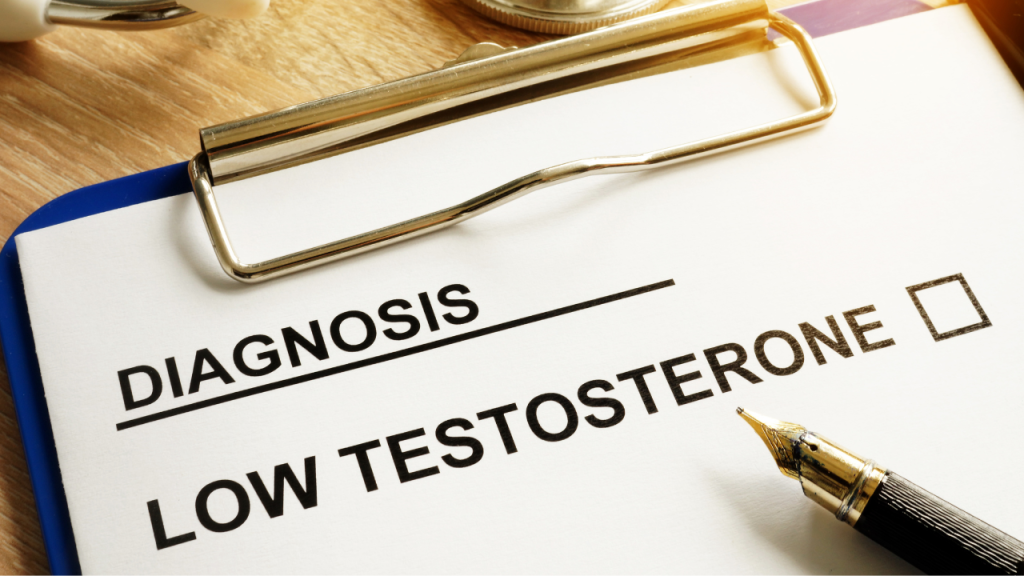
If you are experiencing these symptoms, it’s a good idea to consult a healthcare provider. They will order a testosterone blood test to measure your testosterone levels and recommend appropriate treatment if they are low.
6. Underactive thyroid (hypothyroidism)
Excessive tiredness is one of the most common symptoms of an underactive thyroid.
Thyroid glands release hormones that regulate many important body processes, including metabolism, energy production, cardiovascular health, and development.
An underactive thyroid produces insufficient hormones, leading to severe fatigue and energy deprivation. A thyroid hormone test can help determine thyroid hormone levels and see if it is the true culprit behind your unexplained tiredness.
7. Stress, anxiety, or depression
Stress and anxiety keep the body’s fight-or-flight response activated. When this response stays on for a prolonged period, this can:
- Disrupt sleep
- Increase mental workload
- Make it difficult to relax
Similarly, depression causes tiredness by affecting brain chemicals involved in mood, sleep, and energy regulation. It significantly diminishes energy levels and motivation.
Research shows that fatigue occurs in up to 90% of people with major depressive disorder, making it one of its most common symptoms.
If your tiredness is accompanied by persistent sadness, loss of interest, or excessive worry, it is important to seek professional help.
8. Too little or too much exercise
Little to no physical activity contributes to poor cardiovascular health, muscle atrophy, and disrupted sleep-wake cycles. Over time, these changes reduce your stamina and make everyday activities feel more demanding.
Contrarily, excessive exercise without adequate rest can prevent your body from recovering properly. You may experience persistent fatigue instead of improved fitness.
9. Underlying medical conditions
Some medical problems are directly linked to fatigue, low mood, and tiredness. These include:
- Cardiovascular disease
- Diabetes
- Chronic infections
- Inflammatory health conditions
- Cancer
- Chronic fatigue syndrome
- Kidney disease
- Fibromyalgia
- Multiple sclerosis
- Eating disorders
10. Side effects of certain medications
Fatigue is a known side effect of many prescription and over-the-counter medications. Common examples include:
- Antihistamines
- Antidepressants
- Antianxiety medications
- Blood pressure medications
- Muscle relaxants
- Opioid painkillers
- Cholesterol medications
- Some medicines used to treat seizures
How to treat fatigue caused by low testosterone levels?
Unwanted symptoms caused by low T are generally treated with lifestyle changes and, when appropriate, testosterone replacement therapy (TRT).
TRT is an effective low T treatment that can help men bring their low testosterone levels within the normal range and prevent low T signs. It involves injecting man-made testosterone to restore low testosterone levels to the normal range.
Supporting its role in relieving fatigue symptoms, one study found that men receiving TRT for over a year had lower fatigue scores than untreated men.
Consult a hormone or TRT specialist to check your testosterone levels and determine if TRT is the right treatment for you.
What should I do if I am always tired?
You should try improving your lifestyle by adopting habits like getting enough sleep, regular exercise, limiting alcohol intake, eating a healthy diet, maintaining a healthy weight, and managing stress.
If this does not help, seeking medical advice is the next step.
Your GP will evaluate your overall health, may conduct a physical examination and few tests (if necessary) to identify the underlying cause of your persistent tiredness.
Once identified, they will create a treatment plan tailored to the cause of your fatigue.
Summing it up
Men can experience constant tiredness due to their lifestyle, hormonal imbalances, psychological causes, sleep disorders, and other health conditions.
If you feel exhausted all the time and it is negatively influencing your daily activities, try identifying and addressing the underlying cause instead of simply pushing through the fatigue.
If you suspect low testosterone may be behind your persistent fatigue, speak with one of our professionals for a proper evaluation.
References
de Almeida Ferreira, M. and Mendonça, J.A., 2022. Long-term testosterone replacement therapy reduces fatigue in men with hypogonadism. Drugs in context, 11, pp.2021-8.
Cunningham, T.R., Guerin, R.J., Ferguson, J. and Cavallari, J., 2022. Work‐related fatigue: A hazard for workers experiencing disproportionate occupational risks. American journal of industrial medicine, 65(11), pp.913-925.
Yoon, J.H., Park, N.H., Kang, Y.E., Ahn, Y.C., Lee, E.J. and Son, C.G., 2023. The demographic features of fatigue in the general population worldwide: a systematic review and meta-analysis. Frontiers in public health, 11, p.1192121.
Evidence Based Research
This article has been researched and written based on scientific evidence and fact sheets that have then been crossed checked by our team of doctors and subject matter experts.
References, sources and studies used alongside our own in-house research have been cited below, most of which contain external clickable links to reviewed scientific paper that contain date stamped evidence.
Our team of healthcare experts and GMC registered doctors are licensed to UK GMC standards. We strive to provide you with the latest evidence based, researched articles that are unbiased, honest and provide you with accurate insights, statistics and helpful information on the discussed topic to ensure you gain a better understanding of the subject. You can read more about our Editorial Process by clicking here.
We value your feedback on our articles, if you have a well-researched paper you would like to share with us please contact us.
Quick Low Testosterone Test
If you know your total testosterone reading from a previous blood test input the results to the left above to see if your testosterone levels are normal.
Low Testosterone Levels
You may have low testosterone depending on the symptoms you have, please contact us to find out how we can help.
Please Retry
The Total Testosterone Level You Entered Is Incorrect. Figure Must be in nmol/L you can use our converter here.
Normal Testosterone Levels
Your testosterone levels appear to be in the normal range.
LOOKING GOOD!
You must be over 38, have had your ovaries removed or have suffered with premature menopause to warrant further hormone tests.
Further investigation needed
Please contact us to discuss your hormones, we need your total testosterone levels to validate your hormone deficiency. You can order a blood test here.
Low Testosterone Levels
You may have low testosterone depending on the symptoms you have, please contact us to find out how we can help.
High Testosterone Levels
You appear to have higher than normal testosterone levels, please contact us for further investigation.
Normal Testosterone Levels
You appear to have normal testosterone levels. Contact us if you have any concerns.
About the Author: Mike Kocsis
 Mike Kocsis has an MBA with a focus on healthcare administration and is an entrepreneur and medical case manager for Balance My Hormones which offers medical services in the UK and Europe. Mike has over 25 years of experience in the healthcare sector, much of that working with people who have hormone imbalances. Mike has appeared on podcasts and radio and is an expert speaker on the subject of hormone imbalance. He specialises in Testosterone Replacement Therapy and Hormone Replacement Therapy (HRT) and with his first-hand experience he has helped thousands of people suffering from low testosterone recover and regain control of their lives. You can follow him on LinkedIn and on the Balance My Hormones YouTube Channel.
Last update: July 14th, 2026